Bill Gates: Access, Connections, and the Part That Was Genuinely Skill
A Lakeside terminal in 1968, a mother in IBM’s boardroom, a $50K operating system — and a talent the cynics leave out. The privilege and the genius compounded; neither alone explains Microsoft.

Bill Gates is the case study people reach for when they want to prove whichever point they already hold. To one side he is the ultimate meritocrat: the obsessive programmer who out-worked everyone and built the software industry. To the other he is a child of privilege who inherited his way to the IBM deal and bought the operating system that made him. As usual, the interesting answer is that both sides are describing real things, and neither is describing all of them.
What makes Gates worth studying carefully is that the privilege and the talent are not in tension. They compounded. Take either one away and there is no Microsoft as we know it.
The terminal in 1968: access almost no child on earth had
Start with the single most important advantage, because it is concrete and it is rarely a child's to choose: in 1968, when Gates was thirteen, he had hands-on access to a computer.
Gates attended Lakeside School, an elite private prep school in Seattle. That year the school's Mothers' Club used proceeds from a rummage sale to buy a Teletype Model 33 ASR terminal and a block of time on a General Electric computer for students to use. In 1968, most corporations did not have interactive computer access. Universities rationed it. A thirteen-year-old getting to sit at a teletype and run his own programs was, globally, a near-rounding-error level of access — and Gates, along with Paul Allen and a small group of Lakeside students, got thousands of hours of it across his teens.
This is the part that no amount of work ethic substitutes for. You cannot out-hustle your way to ten thousand hours of programming as a teenager in 1968 if there is no machine in your life. Gates's family wealth bought him into the school; the school happened to have the rarest educational resource of the era. That is not a knock on him. It is simply the foundation, and it was laid by other people's money and luck before he had done anything.
The family: a prominent lawyer and an exceptionally connected mother
Gates was born in Seattle in 1955 into the city's professional elite. His father, William H. Gates Sr., was a prominent attorney. His mother, Mary Maxwell Gates, was a force in her own right — a University of Washington regent and a serving director on the boards of major institutions, including First Interstate Bancorp and, decisively, the national United Way.
That last board seat is the one that recurs in every honest account, because of who else sat on it.
The IBM deal and the John Opel connection
In 1980 IBM was building its first personal computer and needed an operating system. The widely reported account — including on Gates's own Wikipedia entry — is that IBM came to Microsoft in part because Mary Gates had mentioned her son's software company to John Opel, a fellow United Way board member who was then a senior IBM executive (and soon its CEO). When an OS deal with another company fell through, Opel reportedly remembered the firm run by "Mary Gates's son."
How decisive was the connection? Here a careful reader should add nuance: IBM was already scouting the young microcomputer-software world, Microsoft was a real and rising name in it, and some historians caution that the United Way story is sometimes told as more singularly causal than it was. But the basic fact — that Gates's mother sat on a national board with the IBM chief at the exact moment IBM was choosing a software partner — is not seriously disputed. It is precisely the kind of access that money and standing buy, and that almost no equally talented outsider had.
Then comes the part that is pure Gates, and pure business genius — or ruthlessness, depending on your seat.
Buying QDOS, and the licence that built an empire
When IBM came calling, Microsoft did not actually have an operating system to sell. So Microsoft acquired one: 86-DOS (nicknamed QDOS, "Quick and Dirty Operating System"), written by Tim Paterson at a small firm, Seattle Computer Products. Microsoft licensed and then bought the rights for a sum usually reported around $50,000–$75,000, reworked it into MS-DOS, and supplied it to IBM as PC-DOS.
The masterstroke was not the purchase. It was the contract. Gates licensed the operating system to IBM non-exclusively, retaining the right to sell MS-DOS to other manufacturers. When the IBM PC succeeded and an entire industry of "IBM-compatible" clones erupted, every one of them needed an operating system — and Microsoft owned it. IBM made the hardware a commodity; Microsoft owned the layer that mattered. A reported five-figure software purchase became the foundation of one of the largest fortunes in history.
You can read the QDOS episode as visionary deal-making (he understood, before almost anyone, that the platform layer would capture the value) or as the kind of hardball that left Seattle Computer Products having sold the most valuable software rights of the century for the price of a house. Both readings are defensible. Both are part of the record.
The talent was real — that is the part the cynics drop
It would be just as dishonest to stop at the advantages. Gates was, by every contemporaneous account, an extraordinary programmer and an even more extraordinary operator. Before the IBM deal he and Paul Allen had already written a BASIC interpreter for the Altair 8800 in 1975 — working from the manual, without the actual machine in front of them until the demo — and founded Microsoft on the bet that software, not hardware, was the future. That bet was contrarian and correct.
He was also a famously aggressive, detail-obsessed, legendarily hard-working CEO who read the code, remembered the licence terms, and negotiated like the lawyer's son he was. The advantages got him to the table. The talent and the appetite for combat are why he won once he was there. Plenty of well-connected rich kids had access to computers and important parents. Exactly one of them built Microsoft.
The other side of the ledger: antitrust
A critically neutral account cannot end on the hagiography either. Microsoft's dominance under Gates drew the landmark antitrust case United States v. Microsoft (filed 1998), which found the company had unlawfully maintained its monopoly in PC operating systems — most notoriously by bundling Internet Explorer to crush Netscape. A 2000 ruling ordered a breakup; that was overturned on appeal, and the case settled in 2001. The tactics that made Microsoft unassailable were, a federal court concluded, partly illegal. That, too, is part of how the fortune was built and held.
The honest verdict
Gates is not a meritocracy parable and he is not a nepotism parable. He is what happens when genuine, rare talent is dropped onto an extraordinarily privileged launchpad and then driven by a relentless, sometimes ruthless competitive instinct.
Strip out the Lakeside terminal and there is no teenage programmer. Strip out Mary Gates's boardroom and the IBM deal plausibly goes elsewhere. Strip out the non-exclusive MS-DOS licence and Microsoft is a footnote. But strip out Gates's own ability and ferocity and the advantages just produce another comfortable Seattle lawyer. The lesson of his story is not "work hard" and it is not "be born rich." It is that outcomes this large usually require both — plus a willingness to play harder than the people around you, right up to and occasionally past the legal line.
Editor's note: HustleMemo writes founder-led case studies grounded in public reporting. Where the historical record is debated — as with how decisive the United Way connection truly was — we flag it rather than flatten it. We do not interview subjects on a paid basis and disclose conflicts in-line. Corrections: editorial@hustlememo.com.
Sources
- "Bill Gates," "Mary Maxwell Gates," and "United States v. Microsoft Corp.," Wikipedia.
- Lakeside School / Mothers' Club Teletype Model 33 ASR and GE computer time (1968): widely documented in Gates biographies and Lakeside histories.
- Mary Gates, United Way, and John Opel / IBM (1980): as reported on Bill Gates's Wikipedia entry and in standard Microsoft histories; degree of causality debated by historians.
- 86-DOS / QDOS purchase from Seattle Computer Products (Tim Paterson) and the non-exclusive MS-DOS licence to IBM: standard accounts of the 1980–81 IBM PC deal.
- Altair BASIC (1975) and the founding of Microsoft: Microsoft corporate history; Paul Allen, Idea Man (2011).
- United States v. Microsoft Corp. (1998 filing; 2000 ruling; 2001 settlement): court records and contemporaneous reporting.
More from this category
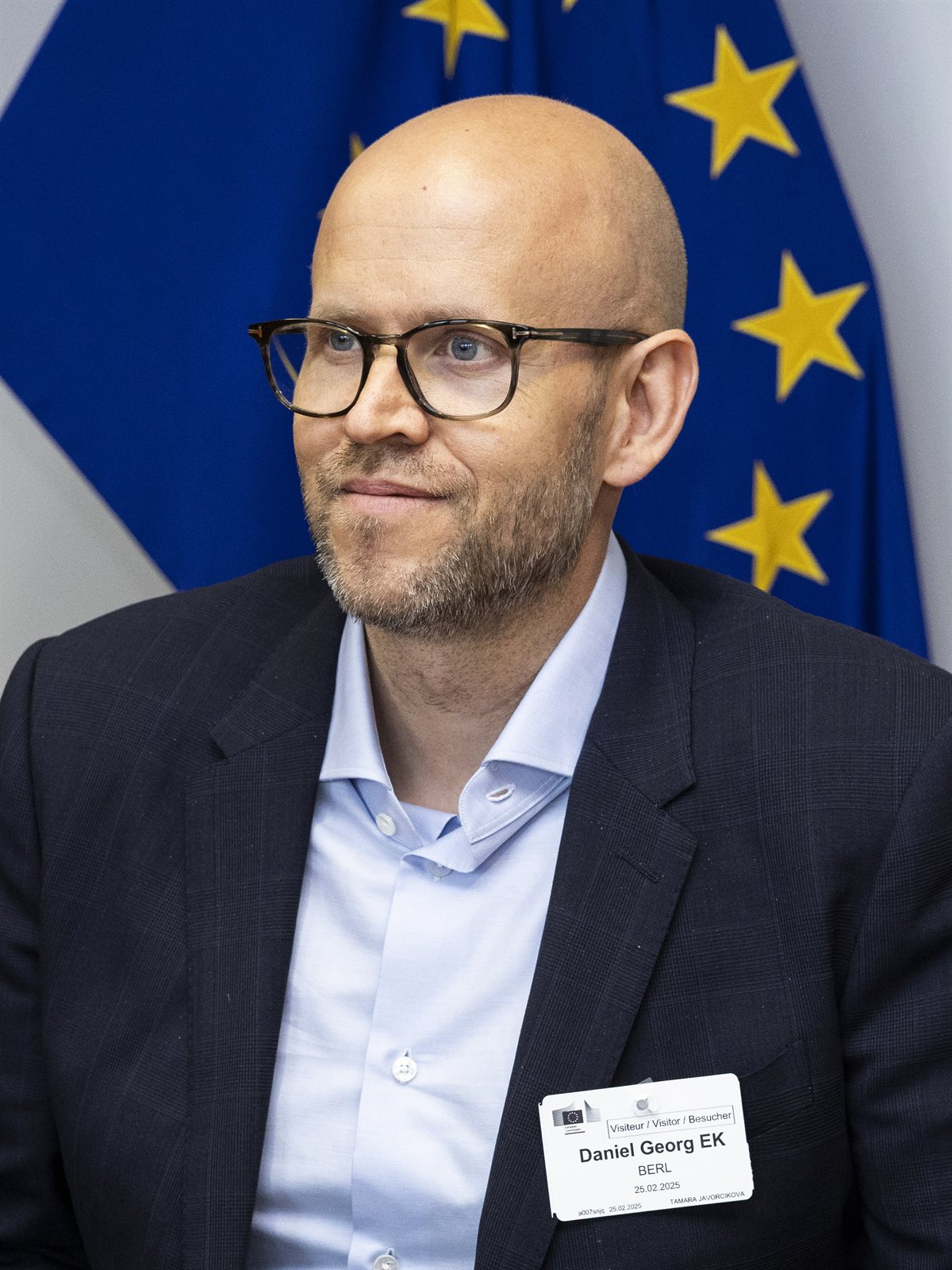
Daniel Ek: The Swede Who Beat Piracy by Building Something Better
A critically-neutral profile of Spotify’s Daniel Ek: how he beat music piracy not with lawsuits but with a freemium product better than free, endured two years of label negotiations and sixteen more before profit, and built a 675M-user streaming giant — alongside the artist-payment, Rogan and defence-tech controversies.
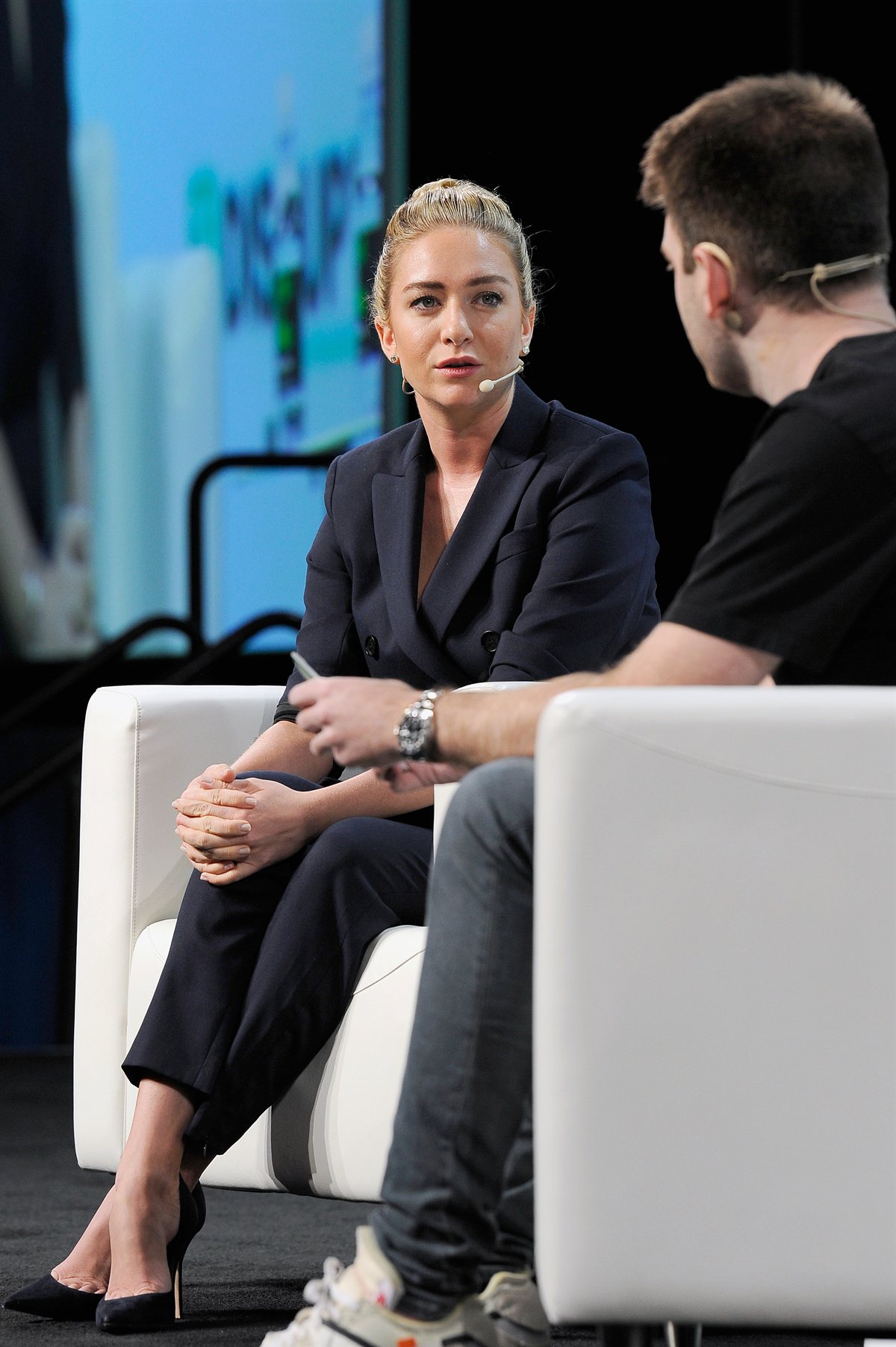
Whitney Wolfe Herd: The Founder Who Turned Being Pushed Out Into Bumble
A critically-neutral profile of Bumble’s Whitney Wolfe Herd: how she converted her ordeal at Tinder into the "women make the first move" thesis, took Bumble public at 31, and now fights to sustain it through a ~94% stock decline — the founding triumph and the hard aftermath, held honestly together.
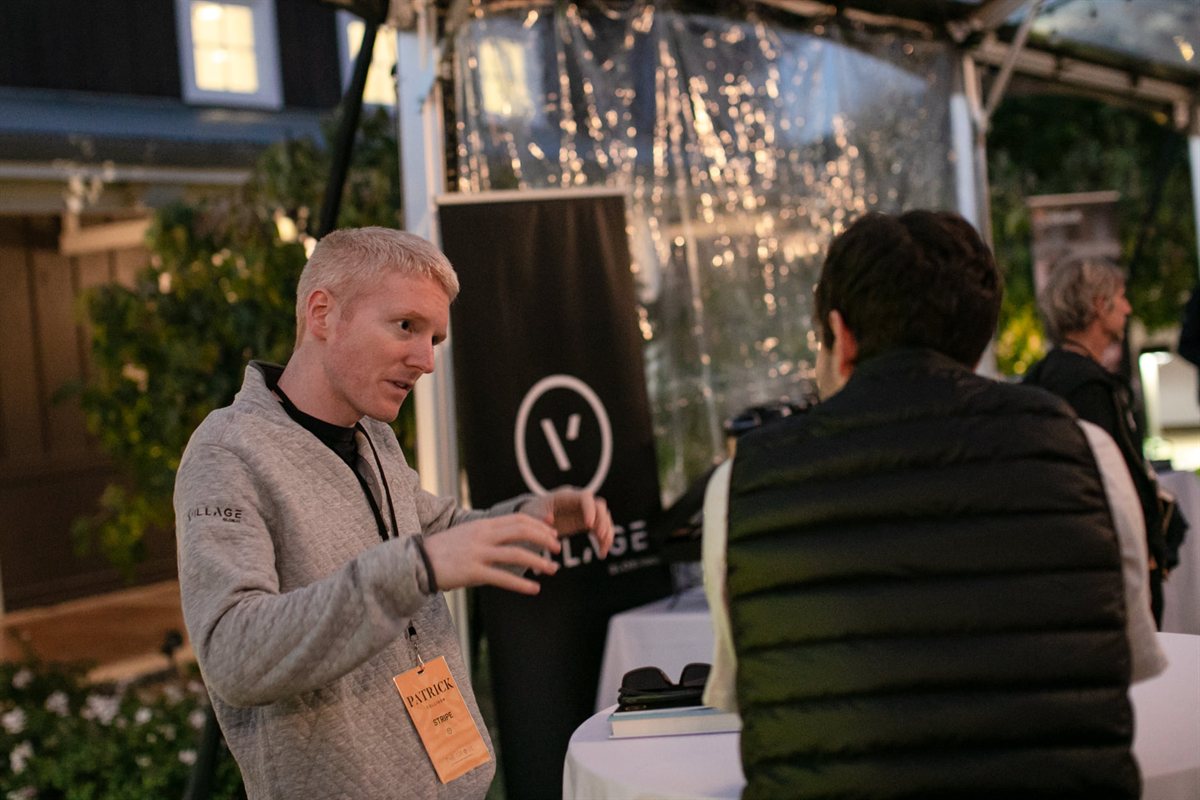
Patrick Collison: The Irish Teenager Who Built the Internet’s Payment Rails
A critically-neutral profile of Stripe’s Patrick Collison: the teenage prodigy who sold his first startup at 19, reduced online payments to a few lines of developer code, and built the financial infrastructure of the internet — through a bubble, a markdown, and a full recovery past its old peak to ~$159B.